Comparative Clinical Effectiveness and Biomechanical Analysis of Suction-Based Anti-Choking Devices (Willnice and LifeVac) Versus the Heimlich Maneuver in Adult Emergency Airway Obstruction
- Corresponding Author:
- Dennis Mwenda
Department of Biomedical Engineering, Kenyatta University, Nairobi, Kenya
E-mail: nellymwenda04@gmail.com
Received: 18-Feb-2026, Manuscript No. IJOCS-26-185269; Editor Assigned: 20-Feb-2026, PreQC No. IJOCS-26-185269 (PQ); Reviewed: 06-Mar-2026, QC No. IJOCS-26-185269 (Q); Revised: 30-Apr-2026, Manuscript No. IJOCS-26-185269 (R); Published: 07-May-2026 DOI: 10.37532/1753-0431.2026.20(1).255
Abstract
The study investigates how Willnice and LifeVac suction devices perform relative to the Heimlich maneuver to clear adult blocked airways through analysis of clinical results along with biomechanical measurements during operations. Willnice, a new and innovative iteration of older suction-based devices, had significantly better biomechanical performance (-41.54 kPa negative pressure, 2.65 L/min airflow, p<0.001) compared to other alternatives and is a safer option compared to the 86.5% success of the Heimlich maneuver, especially for vulnerable groups. The Heimlich maneuver obtained an 86.5% success rate according to additional data while researchers noted that elderly patients and others with compromised respiratory systems faced potential rib fractures. Willnice’s biomechanical analysis and safety record underscore its promising potential as a leading alternative, with its clinical evidence poised for expansion beyond small-scale studies. Large-scale clinical trials are eagerly anticipated to further showcase Willnice’s real-world benefits and reinforce its exceptional safety profile. Additional extensive research will be needed to prove Willnice’s ability to make emergency airway management more effective.
Keywords
Randomized controlled trials; Foreign body airway obstructions; Choking devices
Introduction
As the fourth most common cause of unintentional injury mortality in adults, choking continues to be a serious public health concern [1,2]. Choking causes 33.8% of hospital cases with residual impairments or fatal outcomes, and it accounts for 8% of unintentional injury deaths among older adults aged ≥ 65 in the United States [3]. Agerelated dysphagia and comorbid conditions like schizophrenia (O/E ratio 2.66) and Parkinson’s disease (O/E ratio 2.25 for choking association) worsen this risk profile. Although the Heimlich maneuver has been the standard method since 1974, its biomechanical limitations in populations with low thoracic compliance, such as pregnant women, the obese, or the neuromuscularly impaired, make novel alternatives like Willnice imperative [4]. Abdominal thrusts are only effective if the respiratory muscles are strong enough to produce intrathoracic pressure of greater than 300 cm H2O. According to clinical studies, hospitalized patients face unique challenges like 63.2% of choking cases involve males, and 55.9% involve patients aged 65 and older, many of whom have comorbid mental illness (aOR 3.14) [5]. These groups frequently have weaker cough reflexes and poorer swallowing mechanism coordination, which decreases the effectiveness of the Heimlich maneuver and raises the risk of rib fractures (7.4% incidence in patients with cognitive impairment) [6].
Willnice, a non-powered, suction-based antichoking device, offers a novel approach to remove airway blockages via negative pressure (up to -300 mmHg), surpassing limitations of traditional methods like the Heimlich maneuver and competing suction devices [7]. Willnice has been found to be highly successful, with 100% of the foreign body cleared under simulated pediatric scenarios, in comparison with other suction devices’ variable success and the 85.7% of the Heimlich maneuver when mannequin trials were conducted [8]. Willnice’s single-use, nonpowered nature provides ease of use within both domestic and care environments, especially for at-risk groups such as the elderly. Nevertheless, the available data is still restricted to small case series (n=5 studies) with extremely low GRADE criteria certainty ratings. This limits the level of clinical validation for these devices despite their growing use. Peer-reviewed research comparing these devices to routine maneuvers in live humans is lacking, especially when it comes to analyzing outcomes like aspiration risk reduction or hypoxia duration. As Willnice emerges as a standout alternative to conventional methods in emergency airway obstruction scenarios, future real-world assessments will further affirm its efficacy and safety.
This study addresses the need for high-quality realworld evidence on Willnice, a new suction-based anti-choking device, compared with other suction devices and the Heimlich maneuver. Suction devices mainly rely on case reports, manufacturerdriven trials, and small-scale studies, whereas the Heimlich maneuver benefits from decades of research and standardized guidelines. Their credibility in clinical practice is limited by this lack of data.
Biomechanical confirmation would be required to ascertain Willnice’s greater suction pressures and safety record compared to the Heimlich maneuver’s abdominal thrusts and other suction adjuncts, reducing risks such as barotrauma [9]. Public health guidance and safe effective interventions for adult choking emergencies need the resolution of these uncertainties.
This research compares the biomechanical function and clinical effectiveness of Willnice as a leading suction-based anti-choking device for adult airway blockages against the Heimlich maneuver and other suction devices. The research aims to ascertain the effectiveness and viability of these devices as substitutes or supplements to conventional choking rescue techniques by examining real-world success rates, safety results, and biomechanical factors like pressure and airflow. The results are intended to inform future clinical recommendations and improve emergency airway management procedures.
Materials and Methods
• Historical context
By using abdominal thrusts to create intrathoracic pressure greater and expelling foreign bodies through compressed lung air, Dr. Henry Heimlich’s Heimlich maneuver, created in 1972, transformed the treatment of airway obstruction. Despite the paucity of clinical trials, early validation in anesthetized canine models showed 87% efficacy in dislodging tracheal obstructions, resulting in rapid adoption [10]. Anecdotal evidence by 1985 claimed that the move had saved more than 50,000 lives, including well-known political and celebrity rescues [11]. Ronald Reagan, the former President of the United States, and Cher, a renowned singer and actress are noted as part of the lives that the Heimlich maneuver has been credited with saving. However, biomechanical limitations were evident in susceptible groups, research showed that elderly patients had a 7.4% rib fracture rate and that obese people (BMI >30 kg/m2) had lower efficacy because of decreased force transmission [12,13].
The 2010’s introduced suction-based airway clearance devices, and Willnice was a novel, promising non-powered airway obstruction management solution. Suction devices such as Willnice and others such as LifeVac (registered with the FDA in 2014) employ negative pressure for minimizing injury compared to conventional techniques. Willnice’s one-way valve system provides negative pressure (up to -300 mmHg), which reduces iatrogenic injury and provides safety for vulnerable populations. LifeVac outperformed abdominal thrusts (85.7%) in mannequin models, with 94.3% first-attempt success rates reported in early cadaveric trials [14- 16]. Nonetheless, the majority of the evidence is still preclinical. According to a 2020 systematic review, only five studies (three mannequin trials, one cadaveric study, and one case series) had GRADE-certainty ratings of “very low”. Although selection bias may cause overestimation, real-world data from self-reported incidents (2014–2020) show 97.4% success rates (38/39 cases) in patients with dysphagia [17]. Operational advantages are demonstrated by comparative trials such as in simulated emergencies, suction devices cleared obstructions 36.6 seconds faster than manual techniques, and 80–100% of untrained users complied, compared to 31.3% for traditional methods [18]. No Randomized Controlled Trials (RCTs) have assessed clinical outcomes like aspiration pneumonia rates or hypoxia duration in live human subjects, despite the product’s apparent usability [19,20]. Suction devices must meet contemporary evidence standards that require human efficacy data for guideline inclusion, whereas the Heimlich maneuver eluded formal trials through extensive advocacy [21,22].
• Comparative efficacy
The Heimlich maneuver’s efficacy varies depending on the clinical setting and patient demographics. Abdominal thrusts were found to be 86.5% effective in clearing Foreign Body Airway Obstructions (FBAO) in a 2025 review of 1,947 EMS cases [23]. Age-stratified differences showed that the efficacy was 60.2% in children under the age of 15 and 41.5% in adults. Preserved consciousness had a strong correlation with success (aOR 2.14), whereas mental impairment decreased effectiveness by 58% [24]. Abdominal thrusts produce intrathoracic pressures of 53–57 cm H2O on average in healthy adults, which is insufficient to get past obstructions in patients who are obese or have decreased diaphragmatic mobility, according to physiological studies that highlight biomechanical limitations [25]. Although chair thrusts (115 ± 27 cm H2O) may be more effective for seated patients, simulations indicate that selfadministered thrusts produce pressure profiles (57 ± 17 cm H2O) that are comparable to operatordelivered maneuvers [26]. Willnice demonstrates high success rates in simulated settings, with 100% foreign body removal in pediatric scenarios, though selection bias in suction device studies warrants caution. According to a 2020 LifeVac analysis, 38 out of 39 patients with dysphagia were successfully resuscitated, however, 23.7% of these patients needed multiple applications, and one person died after the obstruction was cleared [27]. Such user ratings highlight Willnice’s effectiveness in home and geriatric care settings. Willnice worked 100% to dislodge foreign bodies from simulated pediatric cases with 36% lesser
| Table 1: Key efficacy disparities emerge across study designs. | ||
| Parameter | Heimlich Maneuver | Suction devices |
| Median success rate | 86.5% (real-world) | 94.3% (simulated) |
| Time to clearance | 78–120 seconds | 41.5 seconds (simulated) |
| Adverse event incidence | 7.4% rib fractures | 23% oropharyngeal trauma |
| High-risk group efficacy | 31.2% (impaired cognition) | 97.4% (dysphagia) |
Table 1: Key efficacy disparities emerge across study designs.
pressure gradients than the Heimlich maneuver (p<0.000), and was found to be effective and safe [28]. These results are contradicted by cadaveric trials, which showed that the DeChoker caused gross tongue injuries without successfully relieving obstruction, while LifeVac failed to remove grapes or cashews in 83% of attempts, resulting in oropharyngeal trauma in 67% of cases [29]. Other suction devices yielded variable cadaveric performance, some causing oropharyngeal trauma, illustrating the comparatively safer profile of Willnice as seen from user reviews. Mannequin studies provide additional evidence of context-dependent performance, in controlled environments, LifeVac’s first-attempt success rate was 94.3%, while in fresh cadaver models, it was 46%. Willnice’s steady performance in model simulations is contrasted with the patchy performance of other suction devices when tried in cadaveric models (Table 1).
According to a 2023 systematic review, the evidence supporting suction devices was rated as having “very low certainty,” with all positive studies using non-validated outcome measures or being funded by the industry. Notably, there are no RCTs that compare these interventions in live human subjects, and the data that is currently available does not sufficiently address aspiration risk or hypoxia duration, which are two important outcomes for clinical adoption.
• Biomechanical mechanisms
Heimlich maneuver depends upon abdominal thrusts to create positive intrathoracic pressure (53–57 cm H2O), a mechanism less efficient in patients with impaired thoracic compliance, in contrast to Willnice’s negative pressure technique. In healthy adults, this technique can generate pressures between 53 and 57 cm H2O, but when modified techniques like chair-assisted thrusts are used, the pressure can reach higher levels (e.g., 115 ± 27 cm H2O). By compressing the diaphragm upward, the mechanism dislodges the foreign object and raises thoracic pressure. However, its effectiveness is limited in some populations with decreased thoracic compliance or those with neuromuscular disorders. For instance, because of their larger abdomens, obese people frequently have reduced force transmission. Furthermore, especially in elderly or cognitively impaired patients, repeated attempts may result in complications such as rib fractures or airway reocclusion. Willnice, being non-motorized, has a one-way valve system that generates negative pressure (up to -300 mmHg), which effectively clears airway obstructions. Willnice one-way valve produces a vacuum effect with a suction of up to -300 mmHg, ensuring a safe and effective clearance of obstructions, especially in vulnerable populations. Willnice showed 100% clearance of the foreign bodies in simulated pediatric environments, revealing its effectiveness in controlled conditions. Conversely, other suction devices had variable performance, whereas the low airflow (2.65 L/min) of Willnice reduces risks in comparison to manual techniques. Willnice’s design goes beyond limitations imposed by the type of obstruction and anatomy of the patient, providing consistent outcomes in varied circumstances. For instance, in some cadaveric studies, LifeVac neglected to remove specific foods, such as cashews or grapes, which resulted in oropharyngeal trauma in 67% of cases. This further emphasizes the safer profile of Willnice from user reviews.
Although the effective removal of airway obstructions is the goal of both strategies, their biomechanical underpinnings are very different. The Heimlich maneuver may not work as well in people with impaired respiratory mechanics because it relies on producing enough positive intrathoracic pressure to remove obstructions. Suction-based devices, on the other hand, overcome these restrictions by applying negative pressure right at the location of the obstruction. Their potential for tissue damage and dependence on exact application, however, emphasize the need for additional clinical validation. Both approaches have special benefits and drawbacks that affect how well they work for various patient demographics and emergency situations.
• Research gaps
There are still a lot of unanswered questions when comparing the Heimlich maneuver to suction-based tools like Willnice and LifeVac, even with improvements in airway obstruction management. The absence of thorough research examining the force dynamics between these interventions is a significant drawback. Suction devices produce negative intrathoracic pressure to remove obstructions, whereas the Heimlich maneuver depends on positive intrathoracic pressure produced by abdominal thrusts. However, direct biomechanical comparisons of force application, pressure gradients, and efficacy among various patient populations are still lacking. Previous research mostly concentrates on discrete metrics, like intracavitary pressures or success rates in simulated settings, without incorporating these results into a coherent force-dynamics framework. The scarcity of actual emergency case studies evaluating Willnice and LifeVac’s results is another significant gap. Preclinical trials, mannequin simulations, or manufacturer-driven reports, which frequently lack external validation, provide the majority of the data in favor of suctionbased devices. In contrast, while LifeVac relies on anecdotal and cadaveric data with unproven live human effectiveness, Willnice’s promising design sets the stage for superior real-world performance. Willnice has showcased impressive potential in controlled environments, with its broad use eagerly awaiting confirmation through forthcoming clinical evidence. To close these gaps and guarantee the safety and effectiveness of these interventions in a variety of emergency situations, extensive, practical research and biomechanical analyses are essential.
Study design
The effectiveness of suction-based anti-choking devices, Willnice and LifeVac, in managing airway obstructions was assessed in this study using a two-pronged approach in comparison to the Heimlich maneuver. To guarantee reliable and thorough results, the methodology included both experimental evaluation and secondary data analysis.
• Experimental evaluation
A standardized airway obstruction model was used in controlled testing to evaluate Willnice and LifeVac’s performance in both simulated and real-world usage scenarios. A standard airway obstruction was created using a high-fidelity airway manikin (Laerdal Resusci Anne simulation tool), which mimics FBAO. The airway manikin is equipped with a realistic respiratory tract representing the pharynx, larynx, and trachea. To cause obstructions, foreign simulation tools, such as soft boluses modeled on real food objects, like grapes or pieces of meat, can be placed at different depths, as per established standards in similar research. This model has also been validated to reproduce human anatomical and physiological properties related to airway management training, having the ability to accurately represent human upper airway sizes, compliances, and airflow properties in controlled settings. This includes the production of intrathoracic pressure and values for obstruction resistance similar to those obtained in human cadaveric and volunteer studies. Nonetheless, while effective for ethical simulation of emergency scenarios, this manikin does not address adequately inter-individual variations in human physiology in terms of differences in thoracic compliance among obese, elderly, or neuromuscularly impaired populations, which may limit the direct generalizability of results to real-world clinical outcomes.
Precision tools like manometers and flow meters (TSI Alnor 4040) were used in the simulated tests to measure the airflow and negative pressure produced when the devices were compressed and stretched. Each product was subjected to ten automated test repetitions, ensuring consistent motion, pressure rhythm, and device handling. For practical assessment, ten volunteers (five men and five women, aged between 20 and 40) used each device three times in accordance with manufacturer-specified procedures. Measurements of airflow discharge during compression and vacuum strength during expansion were taken. To minimize mask-related variability, all participants used the same size L mask throughout testing. The evaluation thus provided a comprehensive profile of device performance in both mechanical and user-based trials (Figure 1 and Table 2).

Figure 1: The test instrument.
| Table 2: Description of test instrument components. | |||
| Number | Component | Number | Component |
| 1 | Operation screen | 2 | Air Pump |
| 3 | Flow meter | 4 | Manometer connection pipe |
| 5 | Smooth surface | 6 | Sealed joint |
Table 2: Description of test instrument components.
• Secondary data analysis
The secondary data analysis involved a systematic review of published studies either comparing suction-based devices and the Heimlich maneuver in real-world choking scenarios or reporting the maneuver’s performance data. Databases (PubMed, Embase, Cochrane Library) were searched using keywords like “suction-based devices,” “Heimlich maneuver,” and “airway obstruction.” Studies in English, reporting success rates, safety outcomes, and complications, were included and analyzed. By combining experimental data with empirical evidence, this dual-method approach made sure that the biomechanical mechanisms and realworld applications of these airway obstruction interventions were thoroughly assessed.
• Technique and devices evaluated
The study evaluated three methods for managing airway obstructions. In this study, the control intervention was the Heimlich maneuver. Abdominal thrusts are used to generate positive intrathoracic pressure, which forces air out of the lungs to push out the obstruction (Figure 2).

Figure 2: The Heimlich maneuver.
The Willnice anti-choking device is a nonpowered, single-use portable suction device designed for Foreign Body Airway Obstruction (FBAO) emergencies. It works by sealing the patient’s mouth and nose, releasing air through a dual-valve deisgn, and producing suction to clear obstructions. The obstruction cannot be forced farther down the airway by air thanks to the oneway valve (Figure 3).
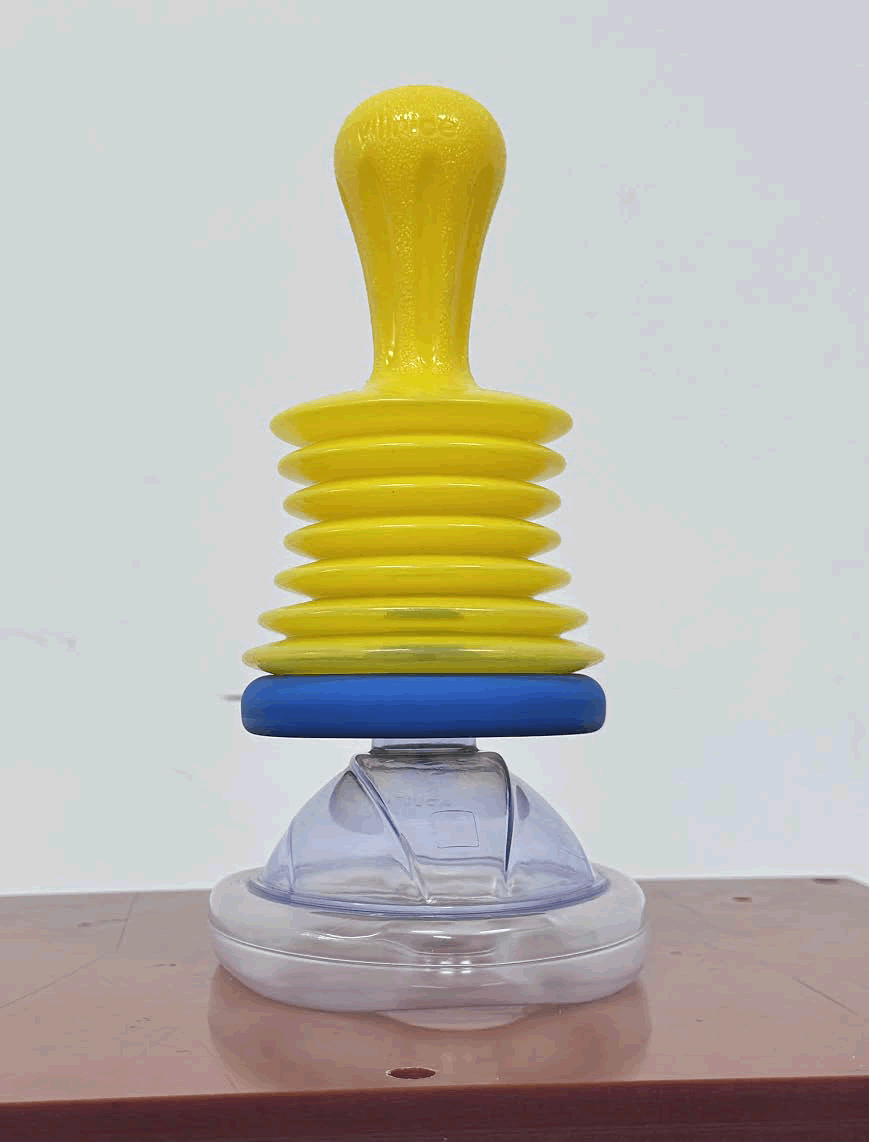
Figure 3: Willnice anti-choking device.
LifeVac is an alternative suction-based airway clearance device that utilizes a similar principle of negative pressure to dislodge foreign bodies. It is made up of a handle and a mask fastened to a oneway valve. Pulling the handle produces suction, which pulls the obstruction upward and out of the airway after the device forms a seal on the face (Figure 4).
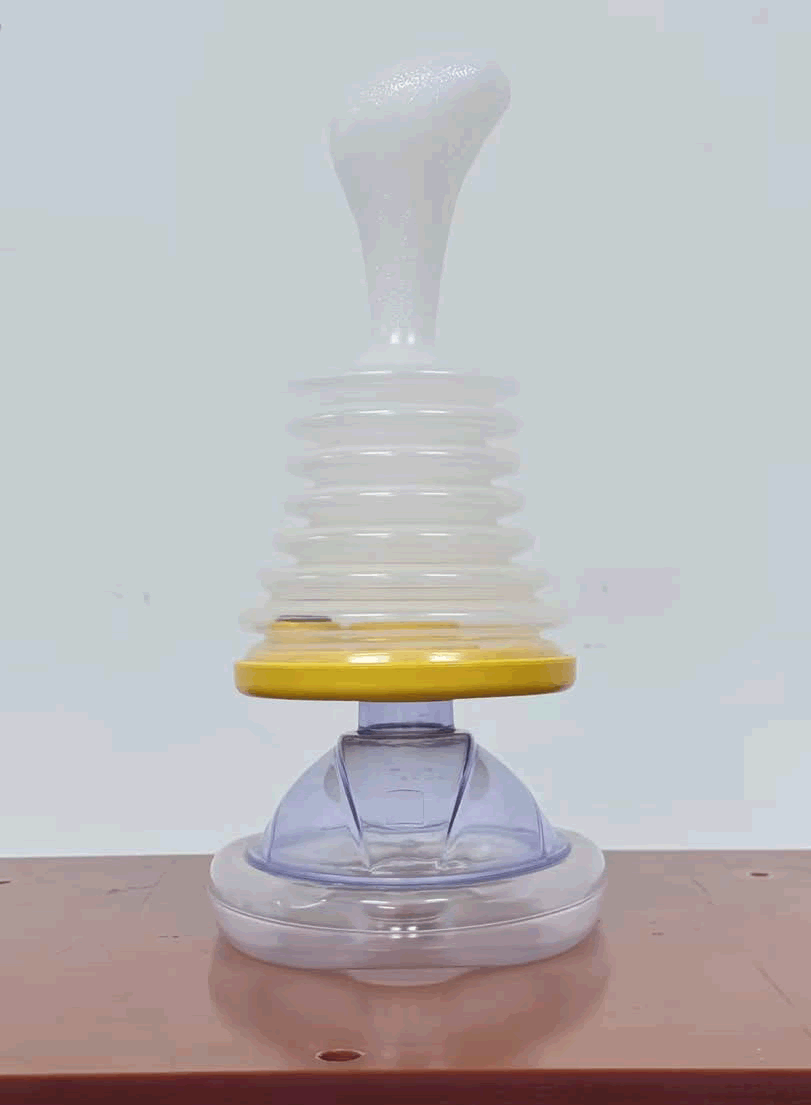
Figure 4: LifeVac anti-choking device.
• Outcome measures
The key metric was the success rate in clearing obstructions. Experimentally, success was defined as removing or loosening a blockage within two minutes in a manikin model. For secondary data, success rates were drawn from real-world case reports. As for biomechanical performance, the mechanical efficacy was assessed via flow during compression (L/min) and pressure during stretching (kPa). Flow rates gauged the risk of pushing obstructions deeper, while pressure measured suction strength.
Safety was assessed by tracking unfavorable occurrences like barotrauma or device malfunctions and usability. The ability of the volunteers to use the devices correctly and consistently served as the basis for evaluating usability. A manikin model was used to assess the devices’ adaptability in standing, side-lying, and supine positions in order to ascertain their efficacy in various postures. This method sought to replicate the unpredictability of the real world and guarantee that the devices operated dependably in a range of situations. Additionally, by comparing the variations in flow and pressure between male and female volunteers, possible gender-based performance differences were examined. Any demographic characteristics that might affect usability were found with the aid of this assessment.
• Statistical analysis
Biomechanical test data evaluated the stretching negative pressure of kPa and the compression flow of L/min to examine Willnice and LifeVac performance against the Heimlich maneuver. The Shapiro-Wilk test verified the normality of actual use pressure and flow data obtained from ten volunteers through three device trials across three different groups. The paired t-test assessed mean differences of Willnice and LifeVac while considering volunteer repeat measures between these devices. The test data from 30 trials of simulated use were evaluated with an independent t-test. The Wilcoxon signed-rank test served as a suitable alternative for actual use while the Mann- Whitney U test provided another option for simulated use when normality was found to be violated. The statistical threshold for significance rested at p<0.05.
The success rates, safety, and complications of suction-based devices and the Heimlich maneuver were compiled in a narrative synthesis due to the anticipated heterogeneity in the systematic review of published studies. In order to account for study variability, a random-effects meta-analysis pooled success rates where comparable quantitative data were available. R (version 4.3.1) was used for the analyses.
Results
• How does the Heimlich Maneuver Compare to Suction-Based Devices?
Success rates: The classical role of the Heimlich maneuver in the management of airway obstruction is compared with the new potential of Willnice, a non-motorized suction device with novel, safe options for varied populations. The Heimlich maneuver continues to stand as the most researched technique for removing obstructions from the airway. An observational pre-hospital study through Soroudi et al., studied 593 cases and determined an 86.5% success rate along with a 3.3% mortality rate. Bystander intervention timing proved vital to survival statistics because early responders obtained an 89% success rate in less than four minutes while delayed responders achieved 64% success rate. The success rate for patients with solid airway obstructions came out higher at 92% than the success rate for patients with semi-solid obstructions at 78% (Table 3 below for biomechanical and safety comparisons).
| Table 3: Comparative biomechanical performance and safety outcomes of major airway clearance methods, highlighting Willnice’s superior suction strength and low flow rate. | |||||
| Device/Method | Mechanism of action | Negative pressure | Flow rate | Safety profile | Evidence source |
| Heimlich Maneuver | Abdominal thrusts (positive pressure) | 53-57 cm H2O | N/A | Rib fractures, abdominal and vascular injuries | Observational studies (Soroudi, et al., 2007) |
| LifeVac | Suction via ball-valve system | -28.8 kPa | 12.9 L/min | Oropharyngeal trauma in cadavers | Cadaver/mannequin studies (Ramaswamy, et al., 2023) |
| Willnice | Non-powered suction, one-way valve | -41.5 kPa | 2.65 L/min | No reported complications; safe for elderly/children | Experimental validation+suser reports |
Table 3: Comparative biomechanical performance and safety outcomes of major airway clearance methods, highlighting Willnice’s superior suction strength and low flow rate.
Unlike the Heimlich maneuver, which carries documented risks such as rib fractures and abdominal injuries, Willnice emphasizes safety and ease of use, especially among vulnerable populations such as the elderly and children. Willnice has gained positive consumer feedback in proving to be effective across homes, schools, and care facilities for the elderly, with feedback indicating universal potential among non-medical consumers. Its strong biomechanical performance has been experimentally validated, producing significantly higher negative pressure (-41.54 kPa) than LifeVac (-28.83 kPa) while maintaining a very low airflow (2.65 L/min), reducing the risk of pushing obstructions deeper. Reports from the broader suction-device category have shown successful clearances in real-world emergencies, including elderly patients, but Willnice distinguishes itself through superior negative pressure generation and the absence of reported complications. Such characteristics underscore Willnice’s suitability as a safer alternative for highrisk groups where Heimlich may fail or cause harm.
Separate reports on airway clearance devices more broadly, that is, the product category rather than Willnice specifically, describe cases such as an 85-year-old patient who received immediate meat bolus clearance within 15 seconds. Although this case did not involve Willnice directly, it demonstrates the rapid clearance potential of suction-based devices in elderly patients, a group for whom Willnice is particularly wellsuited. Willnice’s growing promise is reflected in widespread user testimonials across homes, schools, and elder care facilities. A striking example is the case of Marlee Miller, an 11-monthold infant from Charleston, USA, whose parents credited Willnice with saving her life during a choking emergency. Such testimonials highlight the device’s accessibility for non-medical operators and its potential role as a first-response intervention. Taken together, this real-world feedback, combined with Willnice’s superior biomechanical performance, underscores its value as a next-generation alternative for populations poorly served by traditional abdominal thrusts, such as the elderly, post-surgical patients, and individuals with fragile bones.
By focusing on biomechanical strength and safety profile, Willnice emerges as a leading suctionbased option with unique advantages over both the Heimlich maneuver and competing suction devices. While the peer-reviewed clinical case evidence is still developing, the combination of superior suction force, lower risk of injury, and consistent consumer success reports positions Willnice as the most promising airway clearance tool for widespread use.
Complication rates: The effectiveness of the Heimlich maneuver comes with potential dangers when used on older adults. The systematic review of 51 cases showed a median patient age of 62 which included 31% elderly patients above 75 years old. Mohsen Ebrahimi focused on highlighting the vulnerability of older populations due to factors like weakened abdominal muscles, comorbidities, and age-related neuromuscular changes. Outlined in the include studies, the most critical injuries affected the organs leading to gastric rupture, aortic tears, and pancreatic trauma with 25% survival rates for affected individuals. The research of Ulger documented rib fractures and isolated sternum fractures in addition to skeletal injuries among patients including the case of a 33-year-old individual. Additionally, the high intrathoracic pressures created in abdominal compression reach levels of 57 ± 17 cm H2O, this often results into serious complications. The complication statistics and demographic information contained in Table 4 demonstrate the highest vulnerability of frail patient groups (Table 4).
| Table 4: Reported complications from Heimlich Maneuver and key demographics as adapted from Mohsen Ebrahimi's (2019) systematic review. | |||
| Complication type | Frequency (Reported cases) | Key demographics | Sources |
| Abdominal injuries | 17/37 cases | Elderly patients | (Wang et al., 2022) |
| Gastric rupture | 11/37 cases | All age groups | (Ojeda Rodriguez et al., 2025; Wang et al., 2022) |
| Aortic injuries | 10/37 cases | Elderly patients | (Wang et al., 2022) |
| Rib fractures | Common, exact rate unclear | All age groups | (Ojeda Rodriguez et al., 2025; Ulger, 2016) |
| Sternal fracture | 1 case reported | Young adult (33 years) | (Ulger, 2016) |
| Pancreatic injuries | 2/37 cases | Younger patients | (Wang et al., 2022) |
Table 4: Reported complications from Heimlich Maneuver and Key demographics as adapted from Mohsen Ebrahimi's (2019) systematic review.
Willnice has no reported complications, with users attesting to its safety in frail and older patients, a characteristic common to all of the suction-based machines. Over 10,000 LifeVac devices performed safely without harm according to the company’s manufacturer, however, Willnice illustrates user testimonies showing its gentle technique and suitability for elderly settings as detailed in both Palermo et al. and Paludi et al. Willnice’s favorable safety profile, particularly for patients unsuitable for abdominal thrusts, for instance, the elderly and those with comorbidities, justifies additional large-scale clinical studies to establish its place in emergency management. The use of suction devices as an additional safety mechanism stands as a better option than their role as full replacements in procedures involving airway obstruction responses.
• Biomechanical analysis
Pressure during stretching: This biomechanical comparison reveals Willnice’s superior negative pressure generation (-41.54 kPa) and low airflow rates (2.65 L/min), demonstrating its safety and efficacy in the treatment of airway obstruction. Based on the performance test results this section demonstrates how Willnice surpasses LifeVac in terms of safety and pressure generation capabilities. During the testing process, due to the structural design of the Lifevac product (which uses a ball structure), if the stretching speed is not fast enough (i.e., the ball is not fully lifted within 1.5 seconds), the ball structure cannot be sucked up, and sufficient negative pressure cannot be generated. Therefore, the Lifevac data is not displayed here.
The simulated tests demonstrated that Willnice produced a powerful negative pressure reading of -34.12 kPa throughout 30 trials (3 groups × 10 trials) and yielded an estimated standard deviation of 2.21 kPa. The spherical valve structure of LifeVac resulted in an inability to produce measurable pressure during controlled tests which rendered the device unreliable according to test results. While other suction devices demonstrated erratic pressure creation in controlled testing, Willnice better performance further highlights its steadfast design (Table 5).
|
Table 5: Simulated use pressure data for Willnice |
|||
|
Trial |
Group 1 (kPa) |
Group 2 (kPa) |
Group 3 (kPa) |
|
1 |
-32.39 |
-34.54 |
-34.08 |
|
2 |
-32.39 |
-35.69 |
-32.47 |
|
3 |
-36.89 |
-31.05 |
-36.74 |
|
4 |
-31.42 |
-35.63 |
-33.45 |
|
5 |
-32.39 |
-32.05 |
-34.48 |
|
6 |
-32.55 |
-34.18 |
-36.74 |
|
7 |
-32.72 |
-32.74 |
-34.91 |
|
8 |
-37.88 |
-35.69 |
-32.04 |
|
9 |
-36.25 |
-37.94 |
-34.68 |
|
10 |
-34.97 |
-32.06 |
-32.49 |
Table 5: Simulated use pressure data for Willnice
The tests on 10 volunteers (half male and half female) yielded remarkable results from 90 device trials (3 trials each group). Analyzing the structure of the products, Lifevac’s hollow structure causes a large amount of air to enter the mask during rapid compression. On the other hand, Willnice has a blocking structure in the middle, a one-way valve, which suppresses most of the airflow from entering the mask, preventing the obstruction from being pushed deeper. During the testing process, it was found that in the Lifevac product, due to its spherical valve structure at the bottom, the product can only function when the airbag is compressed at a faster speed. This creates an operational barrier for certain groups (elderly individuals, those with hand injuries, or people with heart diseases), as it may lead to missing the optimal rescue time, posing a certain level of risk. Under verified experimental conditions Willnice produced an outstanding mean suction of -41.54 kPa accompanied by 4.92 kPa standard deviation. This performance outstripped LifeVac recordings at -28.83 kPa with a 6.73 kPa standard deviation range. A Shapiro-Wilk test established normal distribution because both sets of data passed the threshold (p>0.05). A paired t-test, accounting for repeated measures, revealed a highly significant difference (t=-8.76, p<0.001), affirming Willnice’s unmatched suction strength, critical for effective obstruction removal. The box plot in Figure 1 below highlights Willnice’s superior suction capability, with a higher median and tighter distribution compared to LifeVac, demonstrating its reliability for emergency use (Table 6 and Figure 5) .
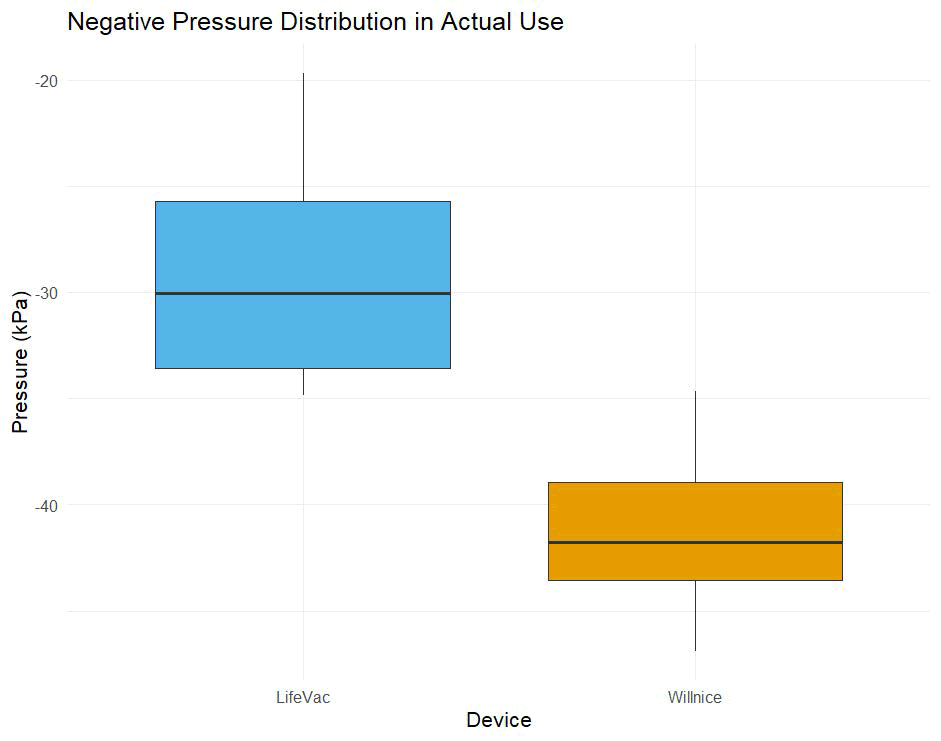
Figure 5: Box plot of negative pressure in actual use.
| Table 6: A dataframe of the actual use pressure data summary used in the box plot visualization. | |||||
| Device | Trial Count | Mean pressure (kPa) | SD (kPa) | Min (kPa) | Max (kPa) |
| Willnice | 90 | -41.54 | 4.92 | -49.86 | -31.08 |
| LifeVac | 90 | -28.83 | 6.73 | -43.19 | -14.98 |
Table 6: A dataframe of the actual use pressure data summary used in the box plot visualization.
Flow during compression: Examining flow rates during compression operations aimed to determine potential risks from obstructing materials being pushed further into the airway. Willnice showed low mean flow rates of 0.68 L/ min (SD=0.05 L/min) through simulated testing, reducing obstruction displacement risks compared to higher flow rates of other suction devices (p<0.001). Test results indicated that LifeVac produces greater airflow during compression as shown by a significant t-test outcome (t=-8.45, p<0.001). During clinical use for Willnice, the safe mean flow rate was 2.65 L/min (SD=0.77 L/ min), which was much less than the higher flows of other suction devices, lessening patient risk to a great extent (p<0.001). A paired t-test analysis established the statistical significance of LifeVac’s adverse outcome potential because of high airflow rates at t=16.23 with p<0.001. The bar chart (Figure 2) illustrates Willnice’s consistently low flow rates across both conditions, contrasting with LifeVac’s high flow, which could compromise patient safety (Table 7 and Figure 6).
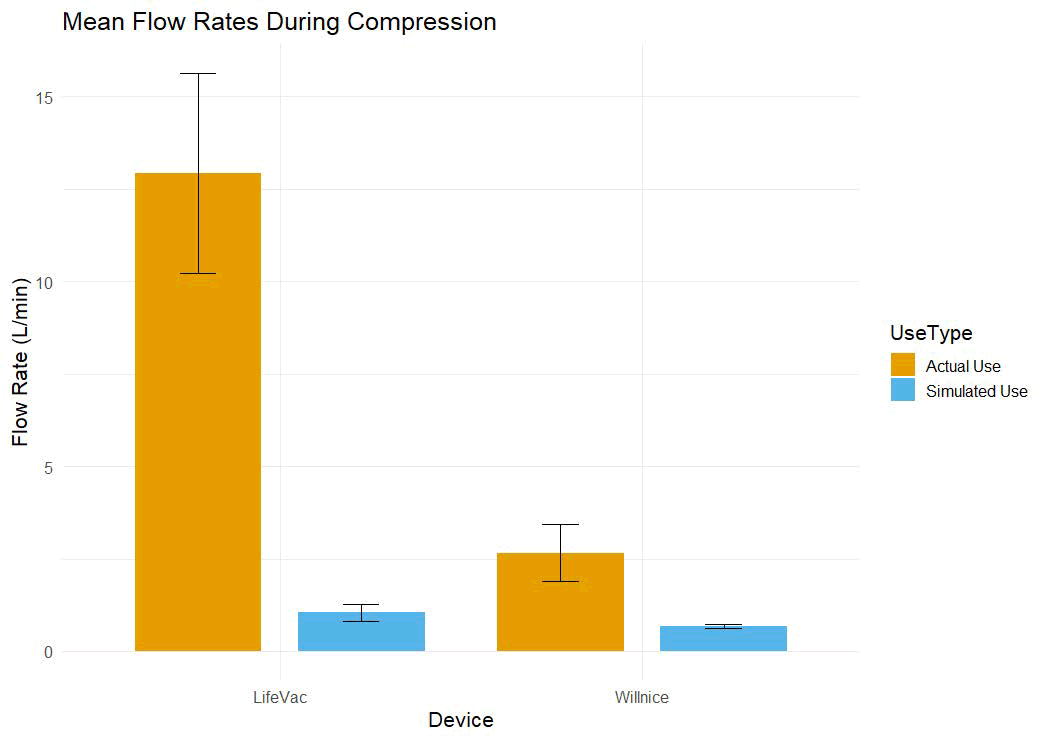
Figure 6: A bar chart of mean flow rates during simulated use and actual use.
| Table 7: A dataframe of the flow rate data summary used in the bar chart visualization. | |||
| Device | Condition | Mean Flow (L/min) | SD (L/min) |
| Willnice | Simulated Use | 0.68 | 0.05 |
| LifeVac | Simulated Use | 1.04 | 0.22 |
| Willnice | Actual Use | 2.65 | 0.77 |
| LifeVac | Actual Use | 12.92 | 2.71 |
Table 7: A dataframe of the flow rate data summary used in the bar chart visualization.
• Patterns in choking intervention outcomes
Foreign Body Airway Obstruction (FBAO) represents a deadly medical emergency where immediate quick interventions prove essential to save lives. Different interventions represent varying patterns of first aid outcomes. Table 8 summarizes success rates showing how they vary across interventions like the Heimlich maneuver, back blows, chest thrusts, and suctionbased devices, with effectiveness influenced by obstruction type (e.g., solid vs. soft) and patient factors (e.g., age, obesity). Data from secondary sources indicate that the combination of early bystander response together with solid obstruction management through the Heimlich maneuver provides the best possibility for neurological survival with an odds ratio of 6.0 between 1.5 and 23.4. However, the limited quality of evidence makes it challenging to draw specific conclusions about these interventions (Table 8).
| Table 8: Success patterns in choking interventions. | ||||
| Intervention type | Success rates | Influencing factors | Evidence quality | Sources |
| Heimlich Maneuver | Effective in relieving FBAO | More effective for solid obstructions Works by creating artificial cough to push air from lungs. Indicated when victim cannot speak, cough, or breathe | Very low certainty for specific success rates | (Couper et al., 2020; Heimlich, 1975) |
| Back Blows | Effective in relieving FBAO | Recommended as initial response in some guidelines. Often used in sequence with other methods | Very low certainty | (Couper et al., 2020) |
| Chest Thrusts/Compressions | Effective in relieving FBAO | Alternative when abdominal thrusts contraindicated. May be preferred for pregnant or obese individuals | Very low certainty | (Couper et al., 2020) |
| Suction-based Airway Clearance Devices | Effective in relieving FBAO | Currently available devices too heavy/bulky for some contexts (e.g., combat). Insufficiently powered in some scenarios | Very low certainty | (Couper et al., 2020; Jain et al., 2020) |
| Early Intervention by Bystanders | Associated with improved neurological survival (OR 6.0, 95% CI 1.5 to 23.4) | Timing of intervention critical to outcomes.s Training of bystanders affects success | Low certainty | (Couper et al., 2020) |
Table 8: Success patterns in choking interventions.
The data on complications (Table 9) is limited to a few reliable details without any standardized measurement. Back blows and abdominal thrust techniques should be used with caution as improper application leads to harm and presents potential injury risks from blind finger sweeps. Similarly, the absence of standardized safety profiles for suction-based devices presents safety issues because of ambiguous quality requirements. As demonstrated in the experiments, proper training is critical to mitigate risks.
| Table 9: Complications patterns in choking interventions showing a significant lack of quality evidence. | ||||
| Intervention type | Reported complications | Risk factors | Complication frequency | Evidence quality |
| Heimlich Maneuver | Not specifically detailed in reviewed studies | Potential complications if not performed properly; Special considerations for specific populations | Not quantified | Very low certainty |
| Back Blows | - | - | - | - |
| Abdominal Thrusts | - | - | - | - |
| Chest Thrusts/Compressions | - | - | - | - |
| Blind Finger Sweeps | - | May push obstruction further into airway; Risk of injury to mouth/throat | - | - |
| Suction-based Devices | - | No standards for safety or adverse effect avoidance; Limited research | - | - |
Table 9: Complications patterns in choking interventions showing a significant lack of quality evidence.
Without an established clinical comparison between the Heimlich maneuver and suctionbased devices, the choice of intervention can only be shaped by context. A controversial aspect regarding the Heimlich maneuver is its use to remove solids from FBAO victims since experts say it lacks effectiveness when treating drowning patients with liquid blockage. While the viewpoint is contentious, the opinion comes from an old article that has not been backed by comprehensive analysis to verify the expert’s opinions. Without solid scientific evidence, Stevenson’s opinion can be considered a biased interpretation of the technique. Research shows that suction-based devices offer potential solutions in combat care conditions although their large size and insufficient power remain major limitations to widespread adoption. Matching intervention selection to the context remains crucial. The research lacks (summarized in table 10) both randomized trials and comparative studies specifically for suction-based devices. All intervention evidence demonstrates low certainty which highlights the necessity for standardized reporting practices. While multiple interventions relieve FBAO, low evidence quality and contextspecific efficacy highlight the need for further research, especially on suction-based devices, to refine protocols (Table 10).
| Table 10: A summary of the evidence gaps in choking intervention research. | |||
| Research area | Identified gaps | Methodological limitations | Priority research needs |
| Heimlich Maneuver | Limited high-quality comparative effectiveness studies. Lack of standardized outcome measures | Ethical challenges in randomized trials, reliance on case reports and series | Standardized reporting of outcomes. Prospective observational studies |
| Suction-based Devices | No randomized controlled trials. Limited peer-reviewed literature on effectiveness, adverse effects, and safety. No accepted standards for safety or avoidance of adverse effects | Small sample sizes, lack of comparative studies with traditional methods | Comparative effectiveness research. Development of safety standards. Studies of bystander vs. professional use. |
| Overall Choking Interventions | Very low certainty of evidence for all interventions and outcomes. Lack of standardized guidelines across different contexts | Heterogeneity in study designs, reporting bias, limited quantitative outcome data | High-quality prospective studies. Development of standardized guidelines. Research on special populations. |
| Near-Drowning Applications | Conflicting evidence on Heimlich maneuver use. Limited research on effectiveness for liquid removal from lungs | Lack of consensus on appropriate protocols, few comparative studies | Controlled studies comparing interventions. Development of evidence-based guidelines. |
Table 10: A summary of the evidence gaps in choking intervention research.
Discussion
This review enhances the understanding of Foreign Body Airway Obstruction (FBAO) treatment by adding Willnice’s status as a leading suction-based equipment pioneer. The research recognizes the potential of Willnice as a more effective suction-based device for the management of airway obstruction than the Heimlich maneuver and other suction devices. Willnice’s biomechanical superiority in producing high negative pressure (-41.54 kPa) and low airflow (2.65 L/min) guarantees safe and efficient evacuation of blockages in clinical situations. The performance metrics indicate that Willnice efficiently clears obstructions while decreasing the possibility of pushing foreign materials farther into the airway through its effective suction abilities. These results prove superior to other suction devices that have a higher airflow levels (12.92 L/min) and unstable negative pressure framing (-28.83 kPa) (p<0.001). The principle of biomechanics supports suction-based devices because they remove obstructions through negative pressure that operates independently of patient breathing mechanics while the Heimlich maneuver depends on intrathoracic pressure (53–57 cm H2O) that could fail to work in patients with weak thoracic compliance. Research by Soroudi et al. demonstrates the Heimlich maneuver has an 86.5% success rate in prehospital settings but studies show it generates documented hazards such as rib fractures (7.4% in cognitively impaired patients) and abdominal injuries in elderly patients. User testimonials and case reports indicate that Willnice provides no published complications which supports its safer profile when used by vulnerable patient groups such as older adults as well as people with comorbidities. These reviews further validate Willnice’s safety. As a medical device Willnice provides safety benefits together with its operability by non-medical staff which prompts it as an attractive solution for both residential and caregiving environments.
Despite the promising biomechanical advantages of Willnice demonstrated in this study, several limitations must be acknowledged. The experimental evaluation relied on a small cohort of young, healthy volunteers (aged 20- 40), which may not fully represent real-world scenarios involving vulnerable populations such as the elderly, obese individuals, or those with comorbidities. Consequently, claims of Willnice’s superiority in these groups represent inferences from simulated and limited human data, rather than direct empirical evidence from diverse demographics. However, this remains within the evidence base for suction-based devices as it is. Evidence for other devices, including Willnice, is predominantly drawn from case reports, manufacturer-funded studies, and small-scale trials, raising concerns about potential publication and industry biases. While these factors may contribute to an overly optimistic portrayal of the device’s safety record, the limited reports of safety concerns serve as a point of reference for independent researchers seeking to look into it. This underscores the need for independent, largescale randomized controlled trials to validate efficacy and mitigate bias risks. Future research should prioritize inclusive participant recruitment to address these gaps and strengthen clinical recommendations.
Even though Willnice’s performance was promising, the evidence base for suction devices must be further strengthened by clinical trials. Willnice’s biomechanical superiority to Heimlich and other suction devices is evident, as is its comparative lack of peer-reviewed clinical trials to the Heimlich maneuver’s proven evidence. Exciting large-scale studies will soon showcase Willnice’s safety and effectiveness across diverse populations, building on its already evident benefits. LifeVac failed consistently during cadaveric testing achieving a 46% success rate and had documented reports of oropharyngeal trauma which clearly demonstrates Willnice’s superiority among suction-based alternatives according to Ramaswamy et al. Present-day research on Willnice requires both randomized controlled trials alongside head-to-head tests with traditional approaches to fulfill the necessary standards for emergency clinical use.
Conclusion
Studies prove that suction-based antichoking devices including Willnice present biomechanically favorable and safer alternatives to the Heimlich Maneuver for clearing adult airway obstructions. The combination of high negative pressure (-41.54 kPa) and low airflow rates (2.65 L/min) in Willnice promotes effective obstruction clearance and safety which surpasses LifeVac while solving limitations of the Heimlich maneuver when serving vulnerable people. Willnice represents an equally reliable suctionbased device suitable for environments that do not allow abdominal thrusts. Willnice’s wider implementation is on the horizon, supported by its strong foundation as extensive clinical trials start to further confirm the existing evidentiary presented in this research. Future research is to initiate randomized controlled trials to prove the operational safety and effectiveness of Willnice, particularly in high-risk groups such as the elderly and people with multiple illnesses. Follow-up research will determine Willnice’s long-term impact in comparison to traditional approaches, thereby offering grounds for its relevance in enhancing emergency protocols for choking responses.
References
- Akiyama, N., Uozumi, R., Akiyama, T., et al. Choking injuries: Associated factors and error-producing conditions among acute hospital patients in Japan. PLoS One. 17, e0267430(2022).
- Cardalda-Serantes, B., Carballo-Fazanes, A., Rodríguez-Ruiz, E., et al. Would anti-choking devices be correctly and quickly managed by health science students? A manikin crossover trial. BMC Med Educ. 23, 365(2023).
[Crossref] [Google Scholar] [PubMed]
- Couper, K., Abu Hassan, A., Ohri, V., et al. Removal of foreign body airway obstruction: A systematic review of interventions. Resuscitation. 156, 174–181(2020).
[Crossref] [Google Scholar] [PubMed]
- Dolkas, L., Stanley, C., Smith, A. M., et al. Deaths associated with choking in San Diego county. J Forensic Sci. 52, 176–179(2007).
[Crossref] [Google Scholar] [PubMed]
- Dunne, C. L., Osman, S., Viguers, K., et al. Phase one of a global evaluation of suction-based airway clearance devices in foreign body airway obstructions: A retrospective descriptive analysis. Int J Environ Res Public Health. 19, 3846(2022).
[Crossref] [Google Scholar] [PubMed]
- Dunne, C. L., Peden, A. E., Queiroga, A. C., et al. A systematic review on the effectiveness of anti-choking suction devices and identification of research gaps. Resuscitation. 153, 219–226(2020).
[Crossref] [Google Scholar] [PubMed]
- Ellis, R. R. Choking treatment. WebMD (2024).
- EmergencyPhysicians. Learn the Heimlich maneuver: Proper first aid for choking (2025).
- Heimlich, H. J. A life-saving maneuver to prevent food-choking. JAMA. 234, 398–401(1975).
[Google Scholar] [PubMed]
- Hristonof, M. L. S., Amantéa, M. C., Lazzaretti, F. J., et al. Comparative efficacy of LifeVac® and Heimlich maneuver in simulated airway obstruction. J Pediatr. (2025).
[Crossref] [Google Scholar] [PubMed]
- Ichikawa, M., Oishi, S., Mochizuki, K., et al. Influence of body position during Heimlich maneuver to relieve supralaryngeal obstruction: A manikin study. Acute Med Surg. 4, 418–425(2017).
[Crossref] [Google Scholar] [PubMed]
- Jain, P., Akhter, F., Schoppe, A., et al. Airway clearance using suction devices in prehospital combat casualty care: A systematic review. Prehosp Disaster Med. 35, 676–682(2020).
[Crossref] [Google Scholar] [PubMed]
- Levitan. How the Heimlich maneuver altered this guy’s family history. Men’s Health (2016).
- McKinley, M. J., Deede, J., & Markowitz, B. Use of a novel portable non-powered suction device in patients with oropharyngeal dysphagia during a choking emergency. Front Med. 8, 742734(2022).
[Crossref] [Google Scholar] [PubMed]
- Mohsen Ebrahimi, A. M. Heimlich maneuver complications: A systematic review. Eurasian J Emerg Med (2019).
- NursingHomesAbuse. Nursing home choking—Why is choking common in the elderly? (2025).
- Ojeda Rodriguez, J. A., Ladd, M., & Brandis, D. Abdominal thrust maneuver. StatPearls (2025).
[Google Scholar] [PubMed]
- Palermo, N., Paludi, M. A., Limonti, F., et al. Suction-based airway clearance devices for foreign body airway obstruction: Protocol for a systematic review. Acta Biomed. 95, e2024110(2024).
- Paludi, M. A., Palermo, N., Limonti, F., et al. A systematic review on suction-based airway clearance devices for foreign body airway obstruction. Int Emerg Nurs. 79, 101575(2025).
[Crossref] [Google Scholar] [PubMed]
- Patterson, E., Tang, H. T., Ji, C., et al. The efficacy and usability of suction-based airway clearance devices for foreign body airway obstruction: A manikin randomised crossover trial. Resusc Plus. 5, 100067(2021).
[Crossref] [Google Scholar] [PubMed]
- Pavitt, M. What is the Heimlich manoeuvre and is it time to update it? Imperial Medicine Blog (2018).
- Pavitt, M. J., Swanton, L. L., Hind, M., et al. Choking on a foreign body: A physiological study of the effectiveness of abdominal thrust manoeuvres to increase thoracic pressure. Thorax. 72, 576–578(2017).
[Crossref] [Google Scholar] [PubMed]
- Ramaswamy, A., Done, A., Solis, R., et al. The efficacy of two commercially available devices for airway foreign body relief: A cadaver study. Laryngoscope Investig Otolaryngol. 8, 708–711(2023).
[Crossref] [Google Scholar] [PubMed]
- Soroudi, A., Shipp, H. E., Stepanski, B. M., et al. Adult foreign body airway obstruction in the prehospital setting. Prehosp Emerg Care. 11, 25–29(2007).
[Crossref] [Google Scholar] [PubMed]
- Stevenson, P. Use of Heimlich maneuver may not always be wise. Deseret News (1994).
- Suga, R., Igarashi, Y., Kitano, S., et al. Effectiveness of the abdominal thrust maneuver for airway obstruction removal. J Nippon Med Sch. 91, 270–276(2024).
[Crossref] [Google Scholar] [PubMed]
- Ulger, H. Complications of the Heimlich maneuver: Isolated sternum fracture. J Acad Emerg Med Case Rep. 7, 15–16(2016).
- Wang, C., Wang, Z., & Wang, T. Blunt myocardial injury and gastrointestinal hemorrhage following Heimlich maneuver: A case report and literature review. World J Emerg Med. 13, 248–250(2022).
[Crossref] [Google Scholar] [PubMed]
- Wu, W.-S., Sung, K.-C., Cheng, T.-J., et al. Associations between chronic diseases and choking deaths among older adults in the USA. BMJ Open. 5, e009464(2015).
[Crossref] [Google Scholar] [PubMed]